tech
Curtis Cosponsors Bill to Protect AI Whistleblowers
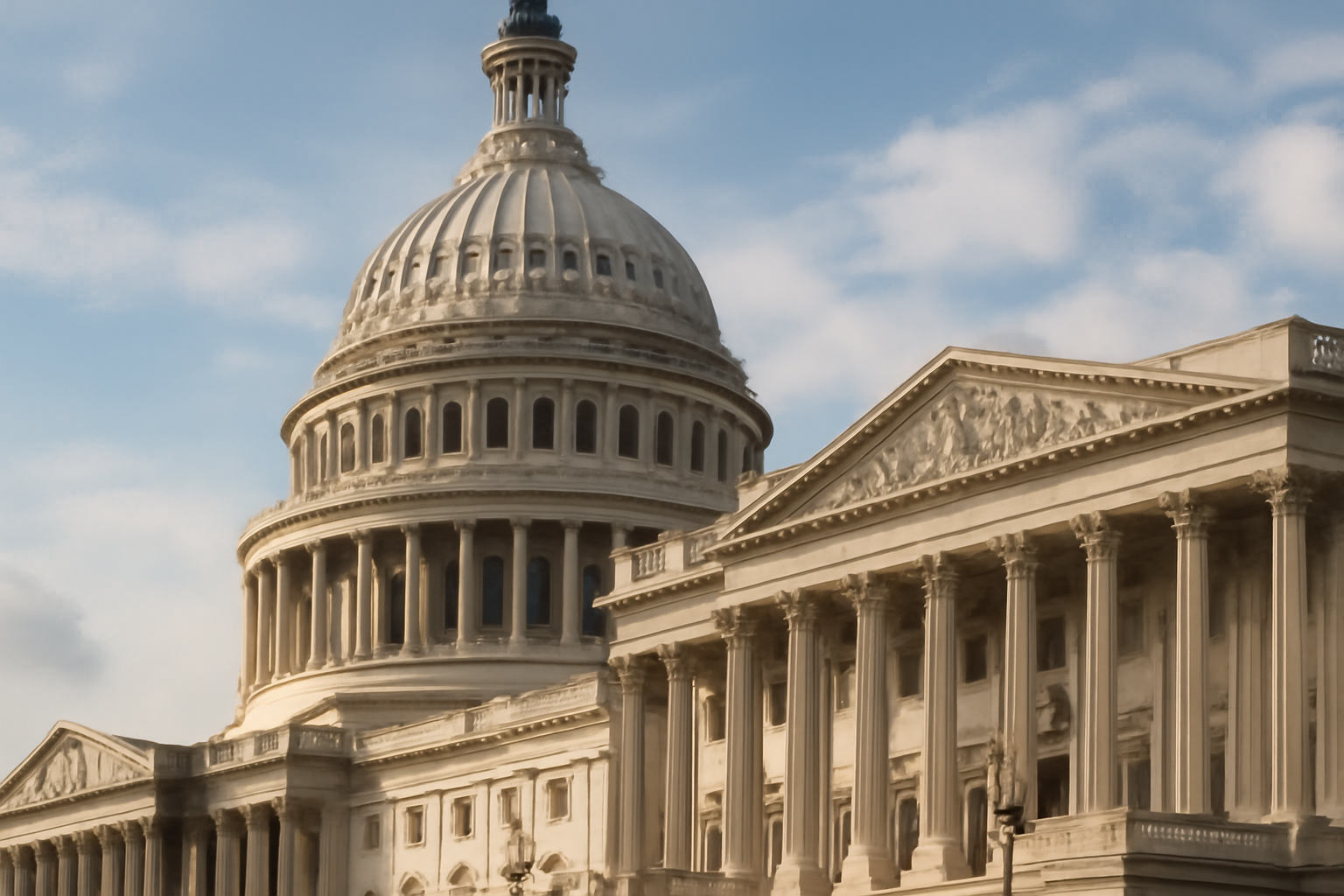
Sen. John Curtis has signed on as a cosponsor of legislation meant to protect people who report wrongdoing inside artificial intelligence companies, according to a notice posted to his official Senate website and indexed by Google News. The release, headlined "Curtis Cosponsors Legislation to Protect AI Whistleblowers," is the paper trail available at publication time, and it is worth reading closely for what it confirms and what it does not yet spell out.
What has Curtis actually signed onto?
The confirmed fact is narrow: Curtis is now listed as a cosponsor of a bill aimed at whistleblower protections tied to AI. The originating notice, published on his official government site, does not appear in the material reviewed here to include the bill's formal number, its lead sponsor, its full cosponsor list, or specific statutory language. Readers who want that detail should go to the original release directly rather than a summary of a summary.
"Curtis Cosponsors Legislation to Protect AI Whistleblowers" — headline, Senator John Curtis's official Senate website
Why does AI whistleblower protection matter right now?
The engineers, safety researchers, and contractors who work inside AI companies are often the first people to see how a model behaves in testing, what safeguards get skipped under deadline pressure, or what a company tells regulators versus what its internal logs show. That asymmetry — insiders know things outsiders cannot verify — is the entire argument for whistleblower statutes in any regulated industry, from banking to pharmaceuticals to nuclear power. AI is comparatively new terrain for that kind of protection, and the legal exposure facing someone who reports a safety or fraud concern inside a private AI lab is not identical to the exposure facing, say, a federal contractor covered by existing whistleblower statutes.
What protections do tech workers currently lack?
Federal employees and many federal contractors already have whistleblower statutes that shield them from retaliation when they report fraud, waste, or danger to the public. Private-sector AI employees do not automatically get the same coverage simply because their employer builds systems with public-safety implications. That gap — between what covers a government whistleblower and what covers a private AI-lab employee — is the practical problem any AI-specific whistleblower bill would need to close, though the specific mechanism Curtis has cosponsored is not detailed in the source material reviewed for this piece.
What is missing from the public record?
This is where the paper trail runs out, and where readers should be skeptical of any outlet — including this one — that fills in blanks with speculation. Not confirmed here: the bill's official title and number, whether it covers current employees, former employees, or contractors, what retaliation remedies it would create, whether it includes any reporting channel to a specific federal agency, and how many other senators have joined as cosponsors. Congress routinely introduces bills with sparse initial press coverage, and cosponsor announcements from individual member offices often precede fuller committee or floor documentation by days or weeks.
What happens next in the legislative process?
A cosponsorship is an early procedural step, not a final outcome. From here, the ordinary path runs through committee referral, potential markup, and — if it advances — a floor vote in the Senate, followed by the same sequence in the House if a companion bill exists there. None of those steps are confirmed to have happened yet based on the material available. Readers tracking this specific bill should watch Curtis's official Senate site and Congress.gov for the bill number, text, and committee assignment once those become public.
Why does the thinness of this record matter?
A one-line cosponsorship announcement is real news, but it is not the same as a fully reported policy story, and treating it as one risks manufacturing certainty where none exists yet. The honest version of this story, at this stage, is short: a sitting U.S. senator has attached his name to AI whistleblower legislation, the underlying bill's contents are not yet part of the public record reviewed here, and the next verifiable step is publication of the bill text itself.
Questions
What did Senator John Curtis do regarding AI whistleblowers?
According to a notice on his official Senate website, Curtis signed on as a cosponsor of legislation intended to protect whistleblowers who report wrongdoing tied to artificial intelligence.
Does the source material name the bill or its other cosponsors?
No. The available notice states the cosponsorship but does not include the bill's number, full text, or a complete list of other cosponsors.