news
Ottawa — Whistleblower Alleges Driscoll's Berries Exceeded Limits
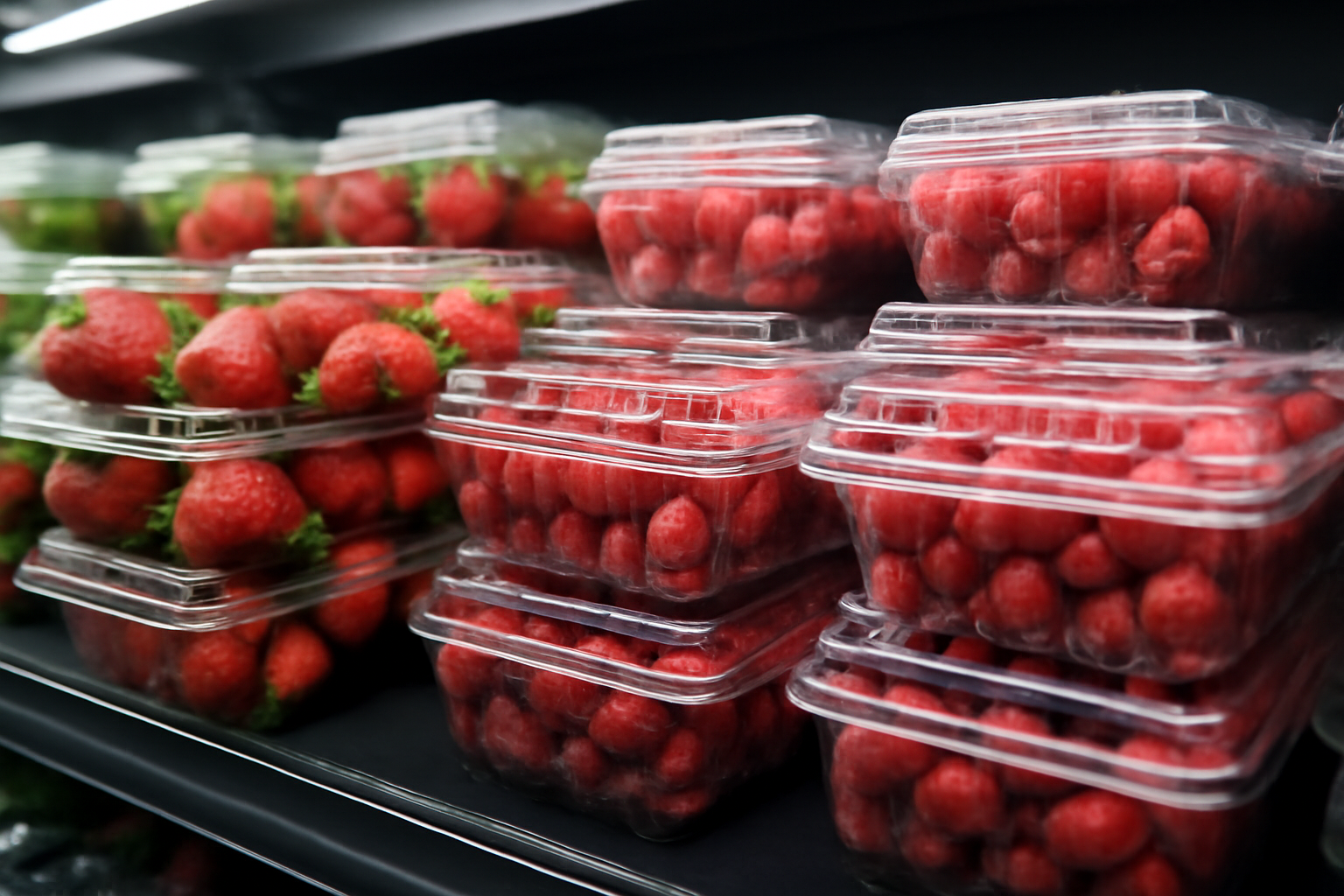
A whistleblower has told CBC News that millions of berries sold under the Driscoll's brand were shipped into Canada carrying chemical levels above what regulators allow, according to CBC's reporting. The account, as summarized by the outlet, points to a volume described only as "millions" of units and does not, in the material reviewed here, name the specific chemical, the testing method, or the shipment dates involved.
What Does the Whistleblower Allege?
The core claim, per CBC, is that berries marketed under the Driscoll's name crossed into Canada carrying chemical residue above permitted thresholds. CBC's own framing treats this as an allegation from an insider source, not a finding by a court, a lab, or a government agency. No statement from Driscoll's or from Canadian regulators appears in the source material reviewed for this piece.
What Has CBC News Confirmed Independently?
Based on the reporting available, the confirmed elements are narrow: a whistleblower came forward, and CBC published the allegation. The reporting reviewed here does not include an independent lab result, a customs record, or an on-the-record agency confirmation. That gap matters for readers deciding how much weight to put on the claim before regulators or the company respond on the record.
What Rules Govern Chemical Residue on Berries Sold in Canada?
Canada sets maximum residue limits for agricultural chemicals on imported produce, and the Canadian Food Inspection Agency is the body generally responsible for enforcement at the border and in retail testing. That is standard regulatory architecture, not a statement issued in connection with this specific allegation — no CFIA comment on the Driscoll's claim appears in the sourcing for this article.
By the Numbers: What's Known and What Isn't
- Alleged volume affected: described only as "millions" of berries, per the whistleblower account relayed by CBC
- Independent confirmations located in reporting reviewed: zero — no agency or company statement is quoted in the source material
Why Treat This as Allegation, Not Verdict?
Whistleblower claims can be accurate and can also be incomplete, motivated by a workplace dispute, or based on a misreading of test data. Responsible handling means separating the claim from proof: a documented lab result, a batch number, and a regulatory finding would move this from allegation to established fact. None of those appear yet in the reporting available.
How Does This Compare With Other Recent Food-Safety Alerts?
The Driscoll's allegation surfaces the same week San Diego County issued its own consumer warning over a recalled cheese product, a reminder that food-safety enforcement runs on two tracks — official recalls backed by testing, and allegations still awaiting it. Readers should watch for whichever comes first from Driscoll's or Canadian regulators: a denial, a recall, or a confirming test result.
mindfulAI Keyboard — An iPhone keyboard that rewrites a draft in a tone you pick. Four free AI actions a day.
Questions
Has Driscoll's or a Canadian regulator confirmed the whistleblower's claim?
Not according to the reporting reviewed for this piece; no statement from Driscoll's or Canadian regulators appears in the available source material.
What agency would normally enforce chemical residue limits on berries entering Canada?
The Canadian Food Inspection Agency generally enforces maximum residue limits on imported produce, though it has not been quoted on this specific allegation in the sourcing reviewed.