politics
Madison, Wis. — Kaul Seeks Funding to Expand Records Access
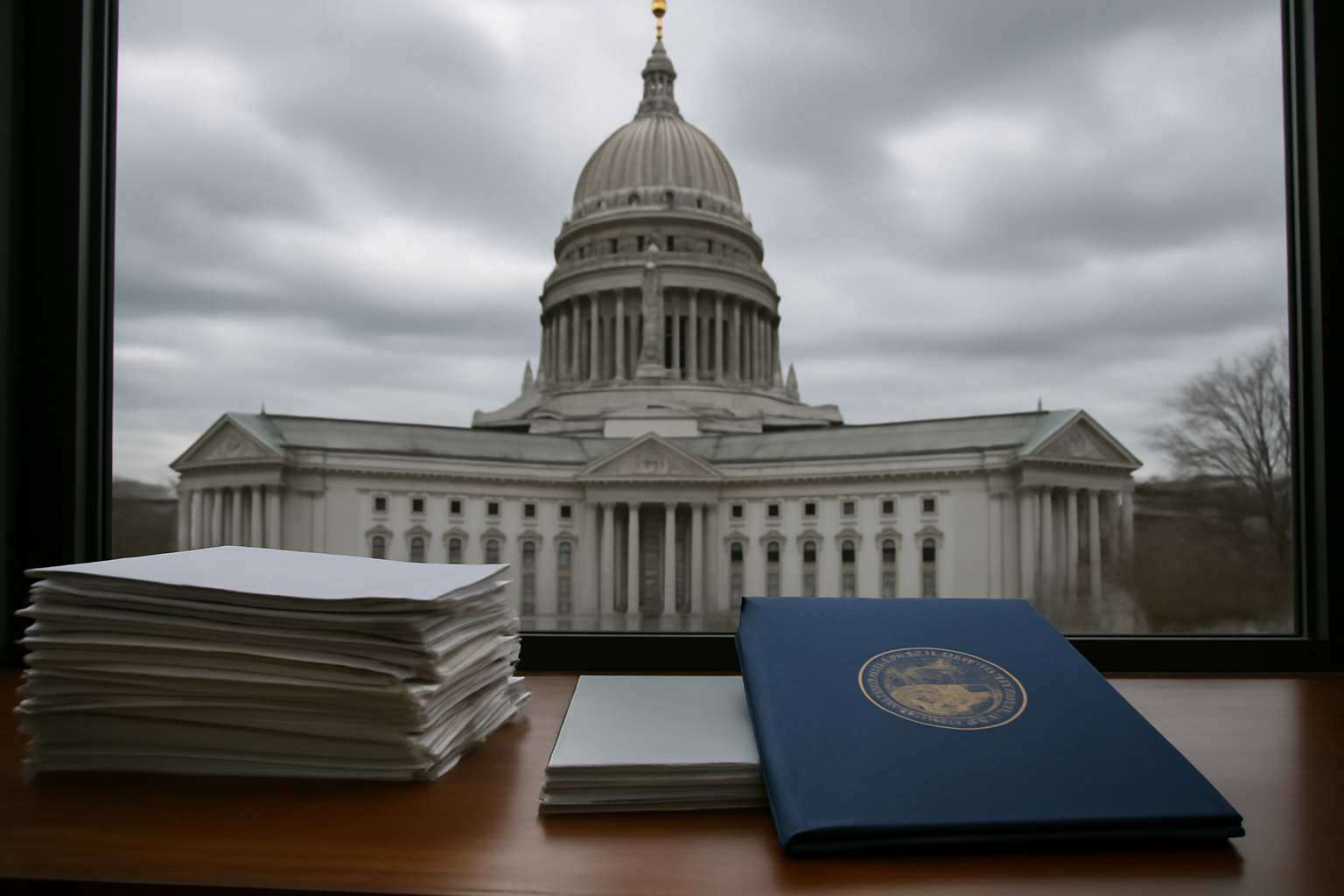
This is an opinion analysis from the Revealing Story Investigations Desk, built on the paper trail available in the public record.
Wisconsin Attorney General Josh Kaul wants additional money to provide more public records access, according to an opinion piece published by The Capital Times. The headline and framing of that piece tie the request directly to the state's ability to fulfill records requests from the public — but the column, as cataloged for this review, does not surface a dollar figure, a specific bill, or a timeline attached to the ask. That absence is the story.
What Does The Capital Times Piece Actually Claim?
The cited op-ed states its thesis in its own headline: Kaul wants money, and the money is meant to produce more public records access. That is a narrow, verifiable claim about the existence of a funding request tied to transparency. What is not available in the material reviewed is the mechanism — whether the request runs through the Wisconsin Department of Justice's budget, a standalone bill, or an administrative line item — or the size of the ask in dollars. Readers who want those specifics should go to the original column, linked above, and to any forthcoming state budget documents once Kaul's office files them.
Why Does Fulfilling Records Requests Cost Money At All?
Public records law generally requires an agency to locate, review, and sometimes redact documents before release, and in Wisconsin that review work falls to attorneys and staff inside the requested agency. Staffing time is the recurring cost center attorneys general cite when they argue for more resources dedicated to records compliance. None of the specific staffing counts or backlog figures tied to Kaul's request were available in the sourced material, so none are asserted here.
Is This Part Of A Larger Pattern Of Vague Asks?
The Kaul column is not the only recent case of an institution asking the public for more trust or more money without laying out the receipts. A separate piece examined by this desk, on Cornell's president and a 'must do better' pledge, found a university leader committing to improvement without naming the metrics, deadlines, or dollar amounts that would let anyone check the work later. The pattern across both cases is structural, not partisan: an official or institution makes a resource or improvement request framed around a value — transparency, accountability — while withholding the figures that would let outside parties verify whether the request is proportionate to the problem.
What Would A Fully Specified Funding Request Look Like?
Transparency and disclosure practice offers a template for closing that gap. A separate Revealing Story explainer on handling conflict-of-interest disclosures effectively lays out the baseline: disclosures that matter name the specific interest, the specific dollar exposure, and the specific decision it touches, rather than gesturing at the existence of a conflict. Applied to a public-records funding request, the equivalent standard would mean naming the current backlog in requests or days-to-fulfill, the proposed staffing or technology spend, and the expected effect on turnaround time — figures that let legislators, reporters, and requesters judge the ask on its merits rather than its framing.
What Should Readers Watch For Next?
The open questions are straightforward: what dollar amount is Kaul's office requesting, through what legislative or budgetary vehicle, and what specific records-access problem — backlog, staffing, technology — is the money meant to solve. Until those numbers surface in a filing, a budget request, or a fuller version of the Capital Times column, the public has a stated goal from the state's top law enforcement official but not yet the receipts to measure it against. The paper trail, as it stands, documents an intention. It does not yet document a plan.
Why Does The Framing Of The Request Matter?
The choice to describe a funding request in terms of "public records access" rather than in terms of a dollar figure is itself a framing decision, and it shapes how the ask will be received. A request pitched as values-driven — more transparency, more access — invites support on principle. A request pitched as a specific dollar figure tied to a specific backlog invites scrutiny on the merits. Wisconsin's attorney general is not unusual in choosing the former path first; it is the more common sequence for officials making resource requests in public-facing commentary before a formal budget filing exists. That sequence does not by itself indicate anything improper. It does mean that the op-ed, standing alone, functions as an opening argument rather than a complete proposal, and readers who want to hold the office accountable for the eventual number will need to track the budget process separately from the column that first raised the issue.
Questions
What is Josh Kaul asking for regarding public records?
According to an opinion piece in The Capital Times, Wisconsin Attorney General Josh Kaul wants additional money to provide more public records access, though the specific dollar amount was not detailed in the material reviewed.
Has Kaul's office specified a dollar figure for the request?
No dollar figure, bill number, or timeline was included in the available version of The Capital Times column cited for this piece.