politics
Richmond, Va. — Virginia AG Says DHS May Have Broken Election Law
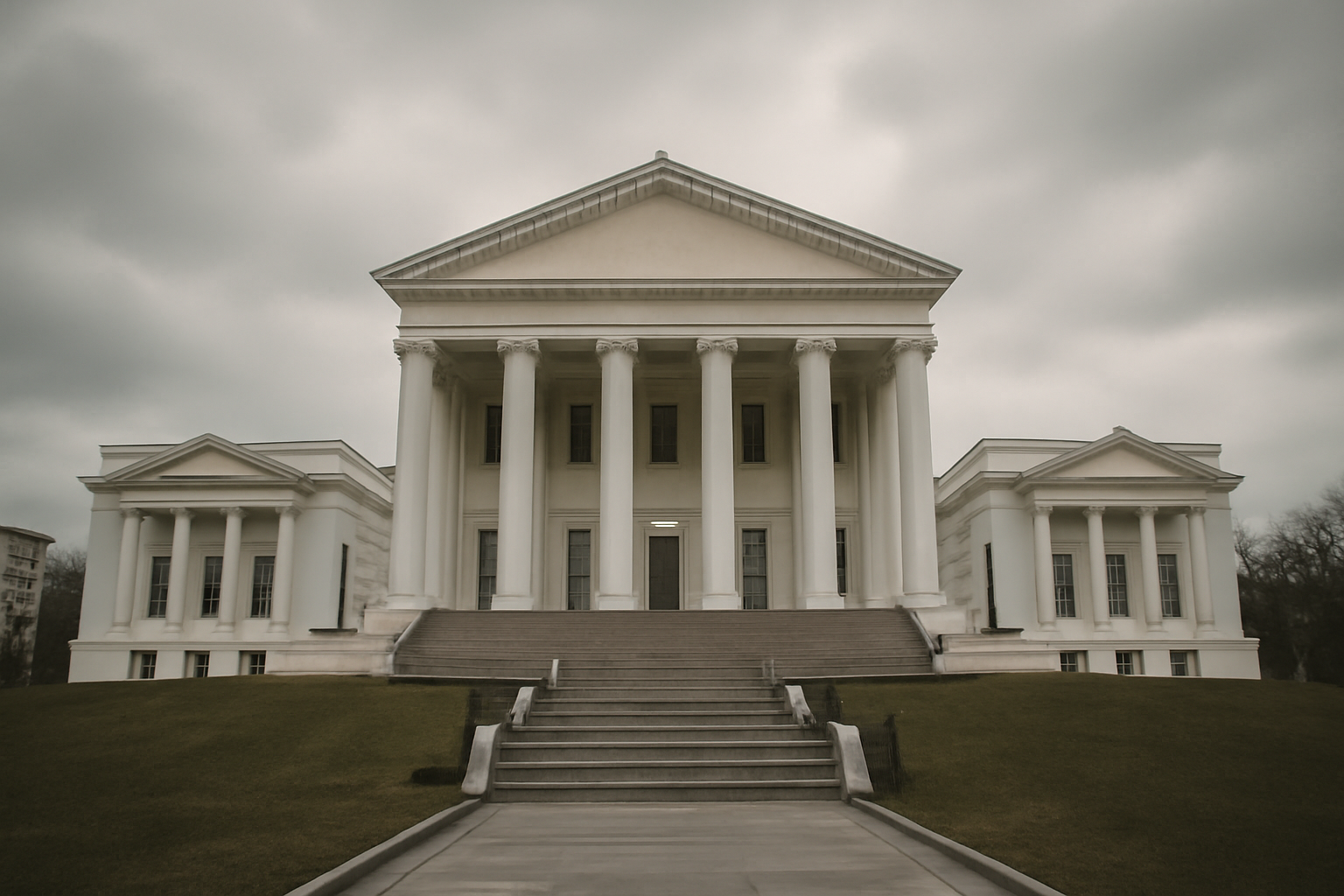
Opinion
Virginia's attorney general has opened scrutiny of the U.S. Department of Homeland Security over whether the agency violated the state's election law, an allegation that surfaced after a whistleblower came forward, according to PBS's reporting. The allegation puts a federal agency's conduct inside a state's election machinery under a state law-enforcement lens — a confrontation that, so far, rests on a paper trail neither office has made fully public.
What did Virginia's attorney general say about DHS?
The available reporting states plainly that Virginia's attorney general says DHS "may have" violated the state's election law. That is a hedge, not a finding. Attorneys general use that phrasing when a review has opened but a legal conclusion has not been reached. The headline that broke the story frames the claim this way:
DHS may have violated state election law, Virginia's AG says after whistleblower report
That framing — reported by PBS — is the entirety of the public record available at this writing. It does not name the specific statute, the specific DHS conduct, or the specific whistleblower.
What triggered the review?
A whistleblower report is the stated origin of the inquiry, per the same PBS coverage. Whistleblower complaints inside federal agencies typically route through internal channels — an inspector general's office, a congressional committee, or, in cases touching state jurisdiction, a state attorney general's office directly. Which of those channels carried this complaint to Richmond is not specified in the available reporting.
What state election law is potentially at issue?
This is the central gap in the current record. Virginia's election code covers a range of activity — voter list maintenance, polling-place conduct, data sharing between agencies, and candidate or ballot procedures among them. The reporting available does not identify which provision the attorney general believes DHS may have violated, nor does it describe the specific DHS activity under review. Readers hunting for the statute number or the operational detail will not find it in the source material published so far. That omission is itself worth naming rather than papering over.
The sequence so far
Stripped to what can be confirmed, the order of events runs:
- A whistleblower brings forward information involving DHS conduct with a bearing on Virginia elections.
- The matter reaches Virginia's attorney general's office.
- The attorney general states publicly that DHS may have violated state election law.
- PBS publishes the account, which is now circulating through wire aggregation.
No dates, court filings, or formal notices accompany that sequence in the material available.
Has DHS responded?
The reporting reviewed here does not include a DHS statement, denial, or acknowledgment. Federal agencies facing a state legal inquiry typically respond through a press office statement, a letter to the state official, or silence pending internal review — and it is not yet clear which path DHS has taken, if any, in this instance.
What remains unverified?
An investigative piece is only as strong as its documents, and the documents behind this story have not yet surfaced publicly beyond the attorney general's stated position and PBS's account of it. Missing from the record: the statutory citation, the specific DHS conduct alleged, any DHS response, and whether the attorney general's office has issued a formal demand letter, subpoena, or referral. Until one or more of those documents becomes public, the story is a claim under review rather than a finding — and readers should treat it that way. Virginia's own election-integrity climate has drawn broader national attention in recent reporting on rising election-fraud case volume nationwide, a separate thread from this specific DHS allegation but part of the same wider scrutiny of election administration this year.
This desk will update as the attorney general's office or DHS releases documents that narrow the gap between allegation and record.
Why does the hedge matter?
The distinction between "violated" and "may have violated" is not stylistic. A state attorney general's office that asserts a completed violation invites an immediate legal response and, often, a request for evidence from the accused party. An office that says a law "may have" been broken is signaling an open review — one where the underlying facts are still being assembled and where the legal theory itself could change as documents surface. PBS's own headline preserves that hedge rather than upgrading it to a finding, and this desk has done the same rather than overstate what the attorney general's office has actually said.
Questions
What did Virginia's attorney general accuse DHS of doing?
Virginia's attorney general said DHS may have violated the state's election law after a whistleblower report, but public reporting has not specified which statute or which DHS conduct is under review.
Has DHS responded to the allegation?
No DHS statement, denial, or acknowledgment appears in the reporting available at this time.