news
Albuquerque Journal Opposes Proposed Public-Records Blacklist
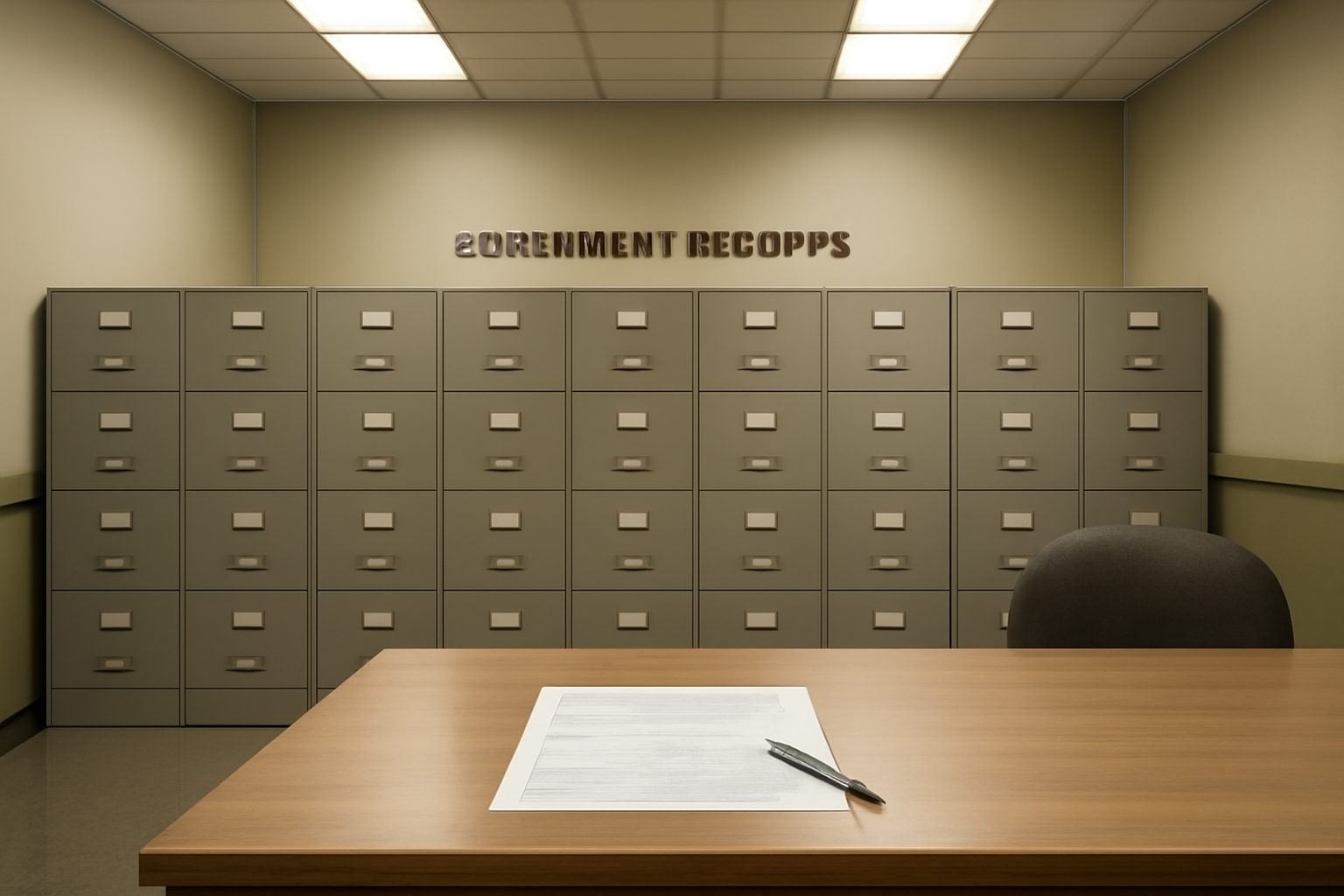
Albuquerque, New Mexico — An opinion piece published by the Albuquerque Journal argues that a proposal to create a blacklist of certain public-records requesters would undermine transparency and public access to government records in the state. This is opinion journalism; the paper trail begins with the newspaper's own column, and the facts below are limited to what that piece states.
What does the proposed blacklist do?
The Journal's column describes a proposal that would flag or restrict individuals who submit public-records requests, according to the newspaper's opinion section. The piece frames this as a mechanism that would single out certain requesters for different treatment than the general public receives under New Mexico's records-access framework. The column does not specify, in the material reviewed, which agency or lawmaker is driving the proposal, and no bill number or sponsor is cited in the source consulted for this report.
Why does the Albuquerque Journal oppose it?
The editorial argues the list would chill public access to government records, treating the act of requesting documents — a right available to any resident — as grounds for suspicion or gatekeeping. The core of the argument, as reported, is that transparency laws exist precisely so that no requester needs to justify motive or identity to a records custodian, and that a blacklist inverts that presumption by pre-screening who gets timely or unimpeded access.
Who would decide who gets listed?
This is the open question the source material leaves unresolved. The Journal's piece raises the blacklist as a threat to open government but does not detail, at least in the version reviewed, the criteria an agency would use to add a name, the appeal process for a requester who is flagged, or whether the list would apply statewide or agency by agency. Absent those specifics, the practical mechanics of enforcement remain undefined in public reporting so far.
What does New Mexico's records-access landscape look like right now?
| Data point | Detail |
|---|---|
| Originating outlet | Albuquerque Journal (opinion desk) |
| Subject state | New Mexico |
The table above reflects what is confirmed in the sourced material: a New Mexico newspaper's opinion desk has taken a public position against a records-requester blacklist. Readers should treat any additional figures — such as how many requesters might be affected or how many agencies have proposed similar measures — as unconfirmed until an agency or legislative document surfaces publicly.
How does this fit the wider transparency debate?
Disputes over who gets to ask government for records, and how quickly they get answers, recur across states as agencies weigh administrative burden against public-access obligations. A related piece from this desk, How to Handle Conflict-of-Interest Disclosures Effectively, walks through the mechanics of disclosure regimes that governments and institutions use to manage who has access to sensitive information — a useful comparison point for readers trying to understand why gatekeeping mechanisms, even well-intentioned ones, draw scrutiny from transparency advocates. The Journal's argument fits a broader pattern in which watchdog groups and editorial boards resist any process that requires a requester to clear a threshold before receiving records the public is otherwise entitled to see.
What to watch next
- Whether the proposal advances to a formal bill, rule, or agency policy with a named sponsor or drafting agency.
- Whether the Journal or other New Mexico outlets publish the underlying text of the blacklist proposal, which would allow independent verification of its scope.
- Whether any state agency responds publicly to the editorial's characterization of the plan.
- Whether advocacy or press-freedom organizations in New Mexico issue statements for or against the measure.
Until a primary document — draft legislation, an agency memo, or a public hearing record — becomes available, the debate remains framed by the newspaper's opinion column rather than by the proposal's own text. Readers who want to track the underlying policy should watch for that primary source rather than relying solely on secondary commentary.
Questions
What is the proposed New Mexico records-requester blacklist?
An Albuquerque Journal opinion piece describes a proposal that would flag or restrict certain individuals who submit public-records requests, though the column does not name a specific bill or sponsoring agency.
Why does the Albuquerque Journal oppose the plan?
The paper's editorial argues the list would undermine transparency by treating the act of requesting public records as grounds for restricted access, inverting the presumption that any resident can request documents without justifying motive.