politics
House Panel Faults Federal Agencies Over Epstein Survivors
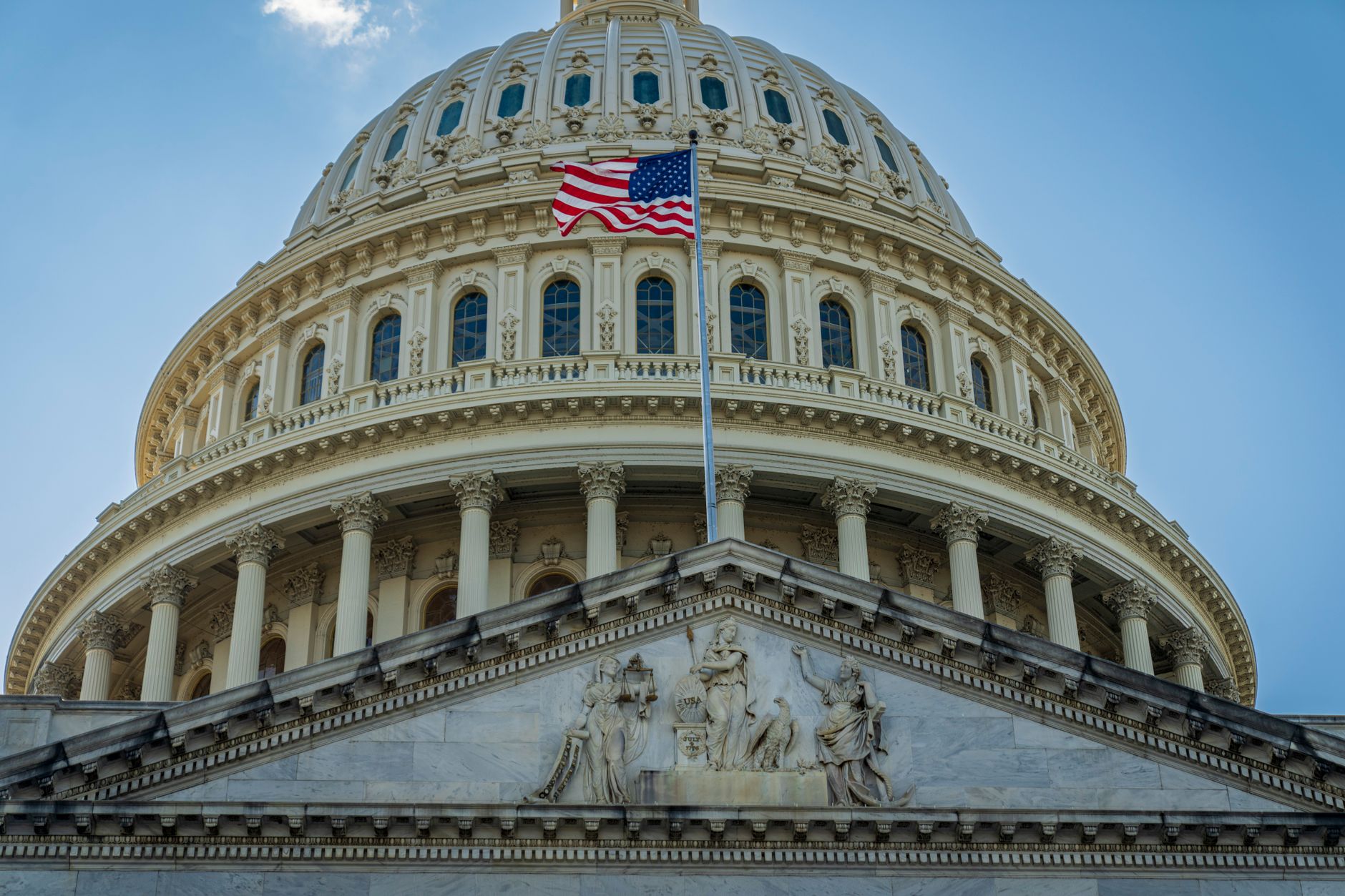
Opinion. A report from a U.S. House panel accuses federal authorities of failing Jeffrey Epstein's survivors for decades, according to reporting by Anadolu Ajansı, carried on Google News. The accusation itself is the news: a sitting congressional panel, operating under subpoena and document-review authority that ordinary reporters do not have, has put its institutional name behind a finding that federal agencies did not do right by the people Epstein harmed, over a period the panel describes as decades.
That is a serious charge, and it deserves to be treated as exactly what it is right now — a headline claim from a wire account of a panel report — rather than something larger. The paper trail, not the adjective, is the story.
What Does the House Panel's Report Actually Say?
Per Anadolu Ajansı's account, the panel's conclusion is that federal authorities failed Epstein survivors for decades. The wire report does not, in the material reviewed here, specify which federal agencies are named, which years are covered, or which committee produced the document. Those are the first facts a reader needs and the first facts missing from the initial dispatch. Until the underlying report text is public and sourced directly, any reader — or reporter — should treat the agency names, the time span, and the recommended remedies as open questions rather than settled facts.
Why Does the Wording of the Accusation Matter?
Congressional panels choose their verbs carefully. "Accuses" and "failing" are not neutral words; they signal that the panel is making a finding, not merely summarizing testimony. In institutional-accountability writing, the distinction between a panel that "raises concerns" and one that "accuses" of "failing" is the distinction between a hearing transcript and a verdict. That the wire coverage uses the stronger formulation suggests the report itself does too — but confirming that requires the primary document, not the secondhand description.
What Remains Undisclosed in the Public Reporting?
The material available for this piece does not include the report's page count, its date of release, the names of survivors or officials quoted inside it, or any specific agency conduct described as a failure. It also does not indicate whether the panel recommends referrals, legislation, or further investigation. A responsible accounting of a document like this waits for the document. Readers should be skeptical of any secondary summary — including this one — that claims more specificity than the sourcing supports.
How Does This Fit a Pattern of Institutional Accountability Gaps?
Questions about who disclosed what, to whom, and when sit at the center of most institutional-failure stories, whether the subject is a federal agency or a corporate boardroom. Revealing Story's own guide on handling conflict-of-interest disclosures effectively walks through why disclosure timing and recordkeeping — not just the existence of a policy — determine whether an institution can later be shown to have failed the people it was supposed to protect. The same discipline applies here: a congressional accusation of decades-long failure will ultimately be judged by the documents it cites, not the headline it generates.
What Should Readers Watch for Next?
- Release of the full report text, including which agencies are named and over what time period.
- Any response from the named federal authorities, and whether they dispute or concede specific findings.
- Whether the panel refers findings for further investigation, legislation, or disciplinary action.
- Statements from survivors or their counsel confirming or contesting the report's characterization of their treatment.
- Follow-up wire and primary-source reporting that names the committee and cites the document directly, allowing independent verification of the Anadolu Ajansı account.
The accusation is now part of the public record because a House panel put it there. What it means — for which agencies, over what years, with what consequence — depends on documents not yet in hand. That gap is the story until it closes.
Artiglio is A coming-soon iPhone chief of staff for briefings and drafts. Not on the App Store yet.
Questions
What does the House panel's report accuse federal authorities of?
According to Anadolu Ajansı's reporting, the panel accuses federal authorities of failing Jeffrey Epstein's survivors for decades; the specific agencies and time frame named in the full report were not detailed in the available wire coverage.
Has the full text of the House panel's report been made public?
The source material reviewed for this piece does not confirm release of the full report text, only Anadolu Ajansı's summary of its central finding.