news
Geneva Police Surveillance Tech Records Raise Unanswered Questions
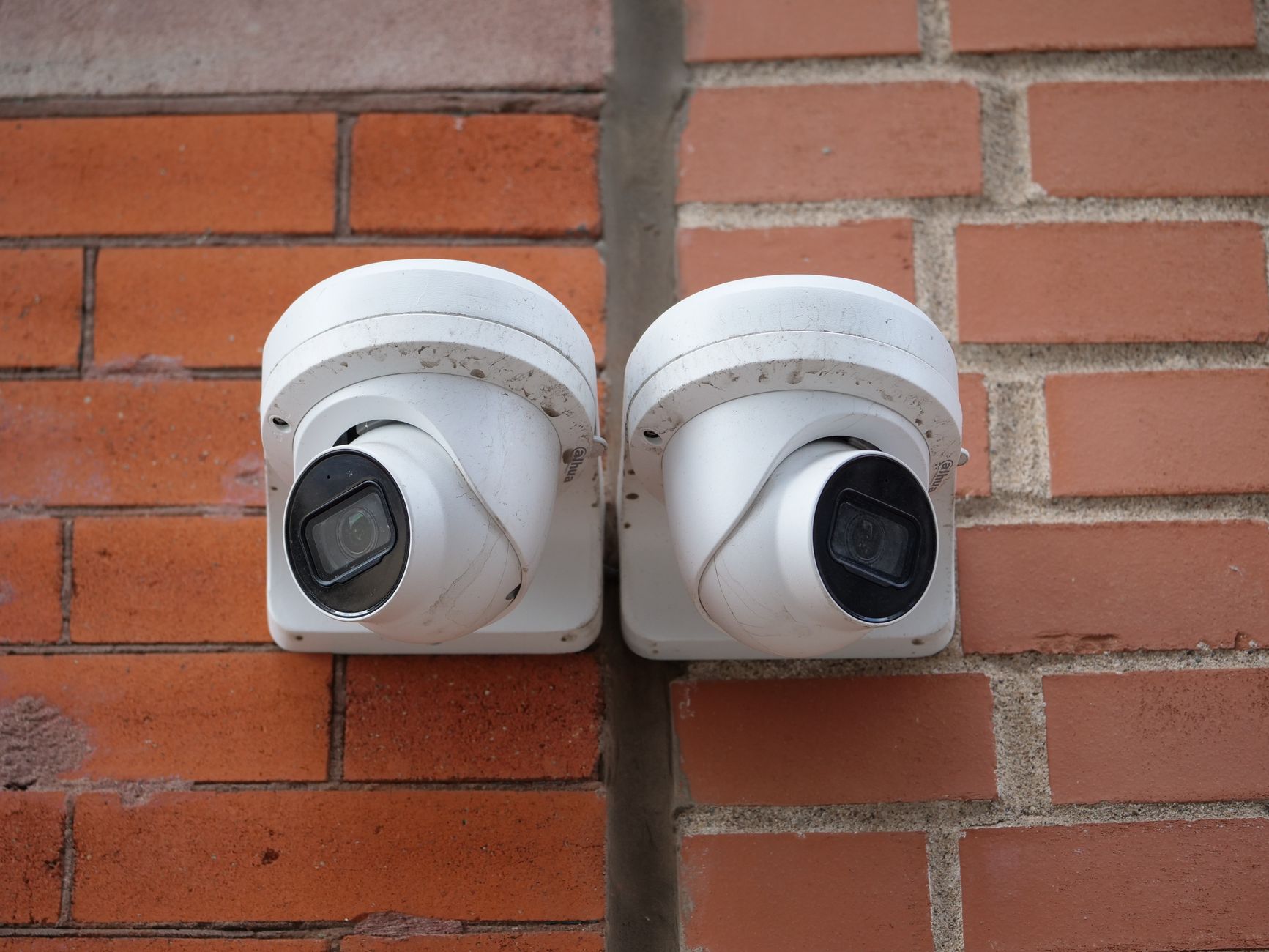
Opinion analysis based on public records and news reporting.
A records review by the Rochester Beacon has left open questions about what surveillance technology the Geneva, N.Y. police department uses and how that technology was disclosed, according to the outlet's report. The newsroom's account describes a records request that produced the department's own paperwork — and that paperwork, by the Beacon's telling, did not fully account for the tools Geneva police have acquired or how they are used.
What do the Geneva police records show?
The underlying facts here are narrow, and that narrowness is itself the story. The Rochester Beacon's reporting is built on public records obtained from the Geneva department, and the outlet frames its findings around what those documents fail to establish rather than what they confirm. Readers who want the specifics — which systems, which vendors, which budget lines — should go to the Beacon's own account, since no additional documentation beyond that report corroborates particulars of the technology in question.
What questions remain unanswered?
The central unresolved issue, per the Beacon's headline framing, is accountability: whether the paper trail generated by a municipal police department is sufficient for the public to know what surveillance capability exists in its own town. That is a procedural question, not a technical one. It does not require naming a specific sensor or software license to be newsworthy; it requires only that the records obtained did not answer it.
Why do surveillance technology records often fall short?
Municipal disclosure problems of this kind tend to recur because the mechanisms for public accounting — freedom of information requests, procurement filings, budget line items — were not built with surveillance hardware or software in mind. A related HTT explainer on handling conflict-of-interest disclosures effectively makes a parallel point in a different context: disclosure regimes are only as good as the categories they were designed to capture, and new categories of risk — vendor relationships, undisclosed technology, financial ties — routinely fall outside them until someone files a request and finds the gap.
What should Geneva residents watch for next?
- Whether Geneva officials respond publicly to the Beacon's findings or supplement the record with additional disclosure.
- Whether any Geneva city council agenda or police commission meeting takes up the surveillance-technology question directly.
- Whether other Finger Lakes-region departments face comparable records requests, which would indicate a regional pattern rather than an isolated Geneva gap.
- Whether any vendor contracts tied to the technology in question become available through subsequent public records requests.
None of those outcomes are confirmed as of this writing. What is confirmed is that a records request aimed at answering a straightforward question — what surveillance technology does the Geneva police department have, and how was it obtained — did not fully answer it, according to the Rochester Beacon's own account. That gap, not a specific device or dollar figure, is the fact worth tracking.
Questions
What prompted scrutiny of Geneva, N.Y. police surveillance records?
A Rochester Beacon review of public records obtained from the Geneva police department found gaps that left basic questions about the department's surveillance technology unanswered, according to the outlet's report.
Does the Rochester Beacon report name the specific surveillance technology Geneva police use?
The source material reviewed here does not specify individual systems or vendors; readers should consult the Rochester Beacon's full report for any such details.