politics
What We Know About the Senate's AI Whistleblower Bill Push
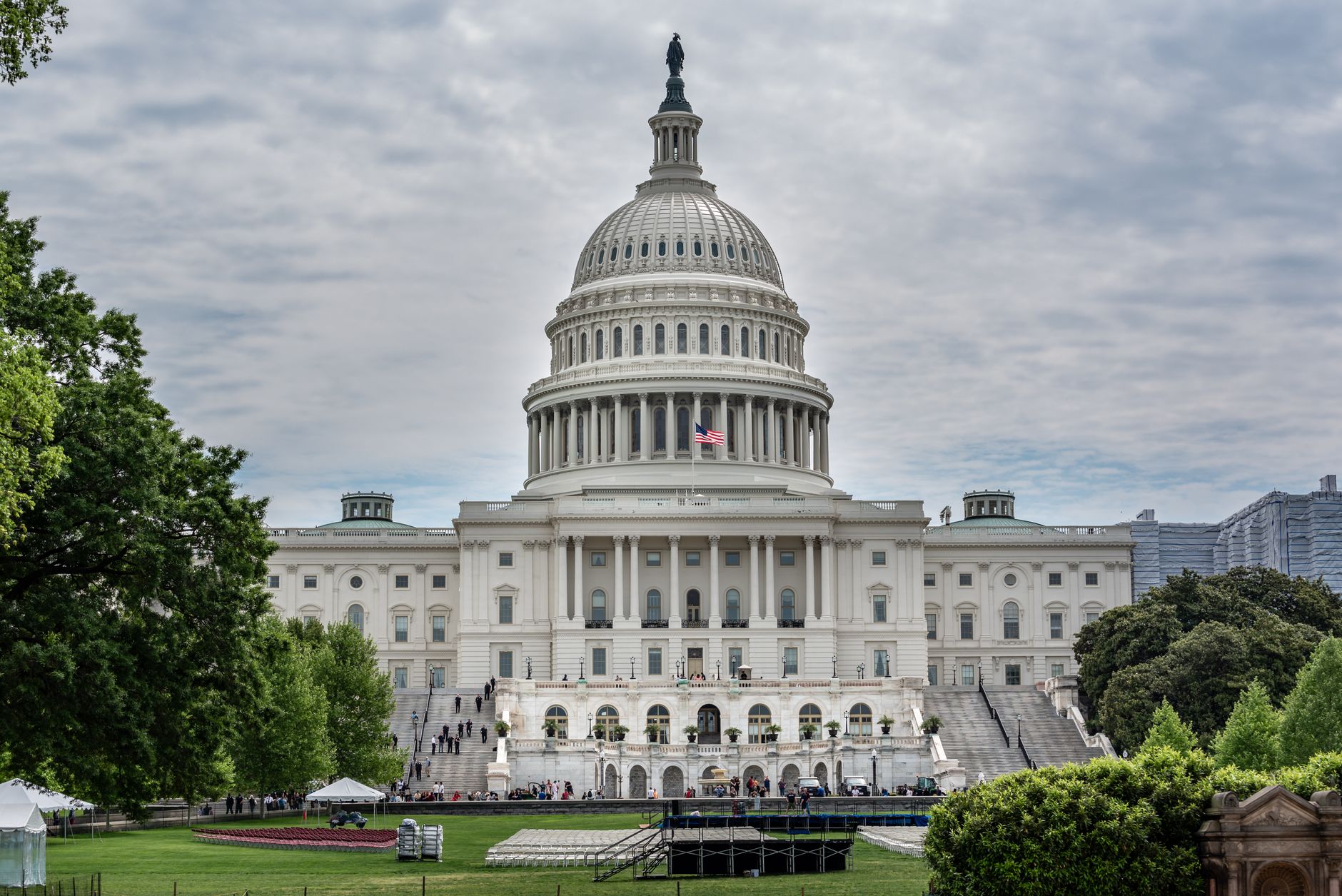
Opinion. This desk traces the paper trail as it currently exists — no more, no less.
A Senate Republican is pushing to fast-track legislation protecting whistleblowers who report concerns about artificial intelligence systems, according to Politico. That is the full extent of what the available reporting establishes.
What did Politico report?
Politico's headline, carried through Google News on Oct. 29, 2026, states that a Senate Republican is seeking to move an AI whistleblower bill on an expedited track. The underlying article was not accessible in full to this desk at the time of writing. HTT is relying on the headline and outlet attribution alone, and is flagging that limitation rather than filling the gaps with assumption.
Who is pushing the fast-track effort?
The senator's name does not appear in the material reviewed for this piece. Readers searching for a specific lawmaker should treat any name circulating elsewhere as unconfirmed by this desk until a primary document — a bill number, a press release, or a Congressional Record entry — surfaces.
What does it mean to fast-track a bill in the Senate?
In ordinary Senate practice, fast-tracking usually means a member asks for unanimous consent to skip some procedural steps, such as committee markup or multiple days of floor debate. A single senator can block that request. Nothing in the available reporting specifies which procedural route is being used here, so this is offered as general context, not as a claim about this bill.
Why does whistleblower protection matter for AI specifically?
Whistleblower statutes generally exist to shield employees who report wrongdoing from retaliation. For AI companies, that could cover engineers or safety staff who raise concerns about a model's behavior, training data, or deployment risk. Revealing Story's earlier explainer on handling conflict-of-interest disclosures covers the broader mechanics of how disclosure obligations function inside organizations — a useful frame for readers trying to understand why a dedicated AI whistleblower statute would differ from existing law.
What hasn't been verified yet?
No bill number. No bill text. No confirmed sponsor name. No co-sponsors. No committee referral. No timeline for a vote. Those are the open items a reader should watch for in follow-up Politico coverage or in the Congressional Record. This piece will be updated, or a follow-up filed, once a primary document — the bill itself or a floor statement — becomes available.
What happens next?
The story, as it stands, is a single sourced claim: a Senate Republican wants faster action on AI whistleblower protection. Readers should treat every other detail — sponsor identity, bill scope, timing — as unconfirmed until a primary source appears. That is the honest state of the record as of Oct. 29, 2026.
Questions
Has the Senate Republican sponsoring this bill been named?
No. The available Politico headline reporting does not identify the senator by name, and HTT could not independently confirm it at publication time.
What does 'fast-track' mean for a Senate bill?
It typically refers to a request for unanimous consent or expedited floor action that skips some normal procedural steps, though the specific mechanism used for this bill has not been confirmed.