news
One Murray State Employee's Lawsuit: What We Know So Far
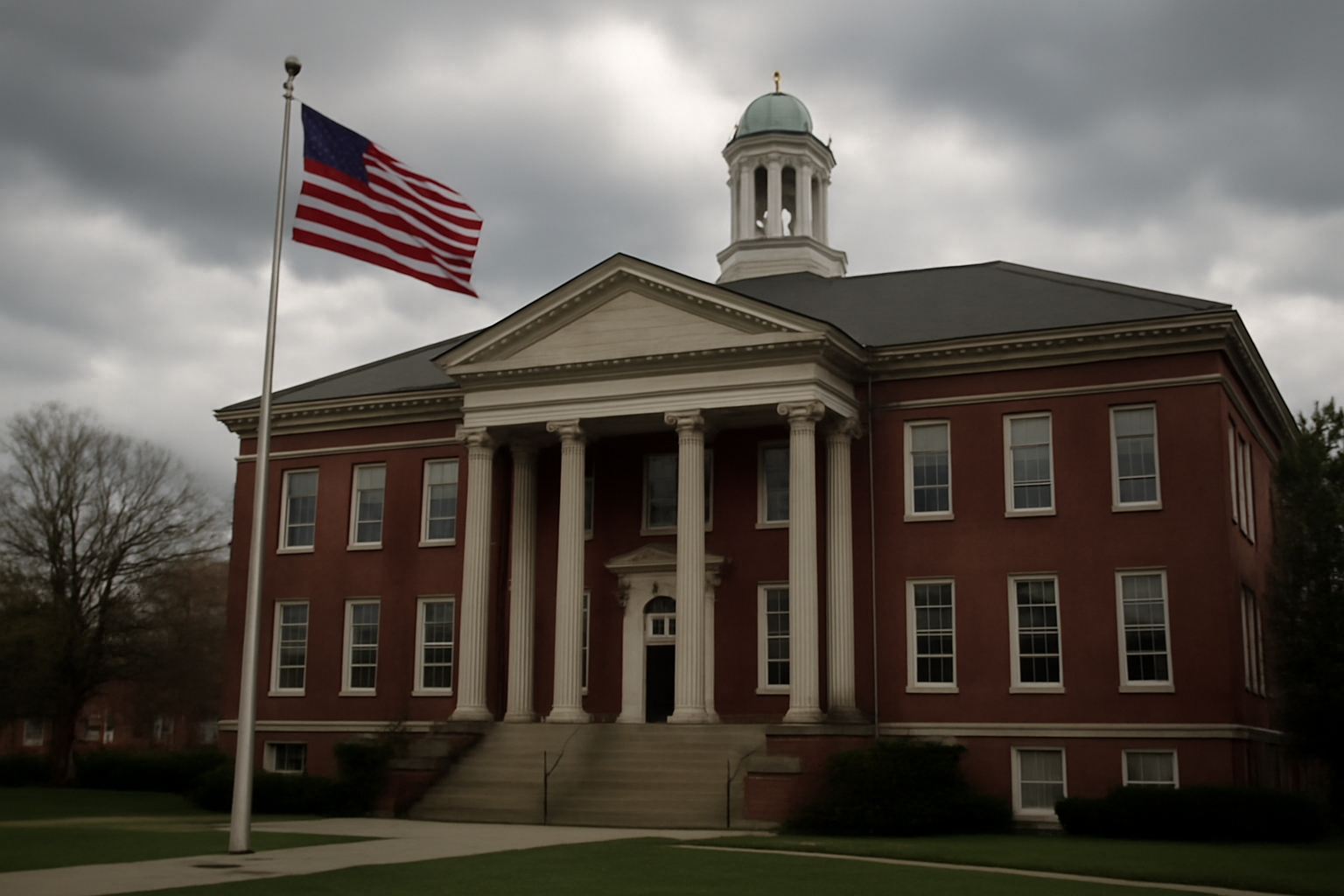
One employee of Murray State University has filed a lawsuit accusing the public university of whistleblower retaliation and sex discrimination, according to a report by WPSD Local 6. As of Oct. 19, 2026, that report is the only public account of the filing reviewed for this piece. This is an Opinion analysis from Revealing Story's Investigations Desk. It follows the public record that exists, not speculation about facts that are not yet confirmed.
What did WPSD Local 6 report?
The station reported that a Murray State employee filed a lawsuit against the university raising two claims: whistleblower retaliation and sex discrimination. The available summary of that report does not name the plaintiff, the plaintiff's job title, the court where the case was filed, or the specific conduct alleged. Those details have not surfaced in the source material reviewed here. Readers should treat any claim beyond "an employee sued the university on these two grounds" as unconfirmed until a court filing or a fuller account from WPSD is available.
What protections exist for whistleblowers at a public university in Kentucky?
Murray State is a public institution, which means its employees generally fall under Kentucky's state whistleblower statute, KRS 61.102. That law bars public employers from retaliating against employees who report, in good faith, suspected violations of law, mismanagement, or abuse of authority. A whistleblower claim typically requires a plaintiff to show three things: that a protected disclosure was made, that the employer took an adverse action, and that the disclosure caused the adverse action. None of those three elements have been detailed in the reporting available on this case. The statute itself, not this case, is the only confirmed fact in this section.
What does a sex discrimination claim require under federal law?
Sex discrimination claims against employers, including public universities, are most commonly brought under Title VII of the Civil Rights Act of 1964, which is enforced by the U.S. Equal Employment Opportunity Commission. A Title VII claim generally requires a plaintiff to show membership in a protected class, an adverse employment action, and circumstances suggesting the action was connected to that protected status. Plaintiffs suing public employers in Kentucky can also bring parallel claims under the Kentucky Civil Rights Act, which largely mirrors federal law. Nothing in the available reporting specifies which statute the Murray State plaintiff invoked, or whether the claim was filed in state or federal court.
Has Murray State issued a response?
No statement from Murray State University appears in the source material gathered for this report. Universities named in active litigation frequently decline to comment, citing pending legal proceedings, or issue a brief statement denying wrongdoing. Readers should not assume silence means anything about the merits of the case. It means only that no comment was available in the reporting reviewed here.
What should readers watch for next?
In a typical whistleblower or discrimination suit against a public university, the next public documents are usually the university's formal answer to the complaint, followed by a discovery period in which both sides exchange evidence. Many such cases settle before trial; some are dismissed on procedural grounds before reaching that stage. Kentucky's conflict-of-interest disclosure rules, which Revealing Story has previously examined, often become relevant in these cases when a plaintiff alleges that a supervisor's undisclosed relationship or financial interest shaped a personnel decision. Whether that dynamic applies here is not established by the current reporting.
The underlying court complaint, once located, would resolve most of the open questions above: the plaintiff's identity, the specific factual allegations, the court of filing, and the relief sought. Until that document or a fuller news account is available, the confirmed facts remain narrow: a Murray State employee has sued the university, and the suit alleges whistleblower retaliation and sex discrimination, according to WPSD Local 6.
Why does a single filing warrant public attention?
Public universities spend state and tuition funds, and personnel disputes involving whistleblower claims can signal whether internal reporting channels function as intended. A sex discrimination claim adds a second layer: whether Murray State's human resources process addressed the underlying complaint before litigation began. Neither question is answered in the WPSD Local 6 report reviewed for this piece. Revealing Story will update this account if the university responds or if the underlying complaint becomes public.
Questions
Who filed the lawsuit against Murray State University?
WPSD Local 6 reported that a Murray State employee filed the lawsuit, but the available report does not name the plaintiff or their job title.
What claims does the Murray State lawsuit raise?
The lawsuit raises two claims: whistleblower retaliation and sex discrimination, according to WPSD Local 6.
Has Murray State University responded to the lawsuit?
No statement from the university appears in the reporting reviewed for this piece as of Oct. 19, 2026.