news
PETA Sues UMass Amherst Over Animal Research Panel Identities
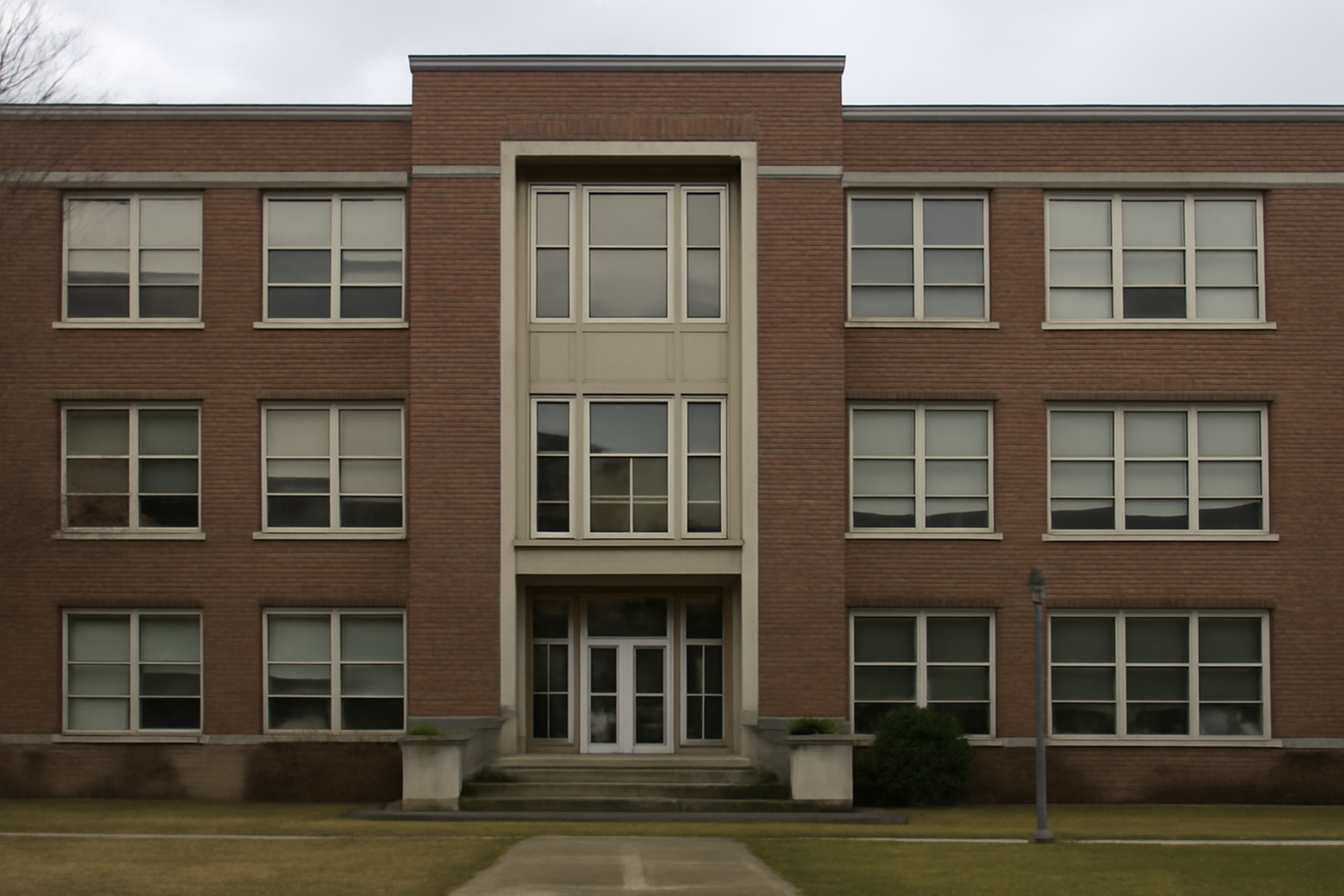
People for the Ethical Treatment of Animals has filed public records lawsuits against the University of Massachusetts Amherst seeking the names of the people who sit on the campus panel that approves and oversees its animal research, according to the Daily Hampshire Gazette. The paper trail, as reported, is simple on its face: a records request, a refusal or redaction, and now a courtroom.
What Is PETA Asking Courts To Order?
The Gazette's reporting describes the dispute as a records fight, not a challenge to any specific experiment. PETA wants the identities of members of the UMass Amherst committee that reviews and signs off on animal research protocols, information the university has apparently declined to release in full. The lawsuits ask a court to compel disclosure under the state's public records framework, the kind of mechanism groups on all sides of research oversight debates have used for decades to pry open institutional decision-making.
Why Does a Research Committee Operate Without Public Names?
Committees of this kind — often called Institutional Animal Care and Use Committees in the research world — exist precisely because federal and university policy requires a layer of internal review before animal studies proceed. Universities that take the position names should stay confidential typically argue that members, many of them working scientists, need insulation from harassment or external pressure to do candid, technical review. Advocacy groups counter that a body making consequential approval decisions on public university property, often with public funding in the background, should not operate behind an anonymous roster.
A records request answered with silence tends to produce a lawsuit; a lawsuit tends to produce a public docket. That is the mechanism at work here, however the underlying argument over animal research is resolved.
What Has UMass Said About the Records Requests?
The available reporting does not include a detailed public response from UMass Amherst laying out its legal rationale for withholding the names, nor does it specify how many committee members are at issue or how long the request has been pending. Readers should treat any claim about the university's internal reasoning as unconfirmed until UMass or the court record supplies it directly.
Why Do These Fights Keep Landing in Court?
Disputes over who sits on oversight panels — ethics boards, review committees, disclosure forms — recur across institutions precisely because the line between legitimate privacy and public accountability is drawn differently by different actors. Revealing Story has examined that broader tension in conflict-of-interest disclosure practice, where the same question recurs: does naming names improve accountability, or does it just invite pressure campaigns against individuals doing a job the institution assigned them?
What Happens Next?
The lawsuits, as reported by the Gazette, remain in early stages, and no ruling on the merits has been described in available coverage. What is clear from the public record so far is the shape of the fight: an advocacy group using a records statute to force disclosure, a university apparently resisting it, and a court now positioned to decide where the line falls. Read the originating report at Daily Hampshire Gazette, via Google News for updates as the docket develops.