news
Providence, R.I. — Column: Denied Records Requests Drive Reform
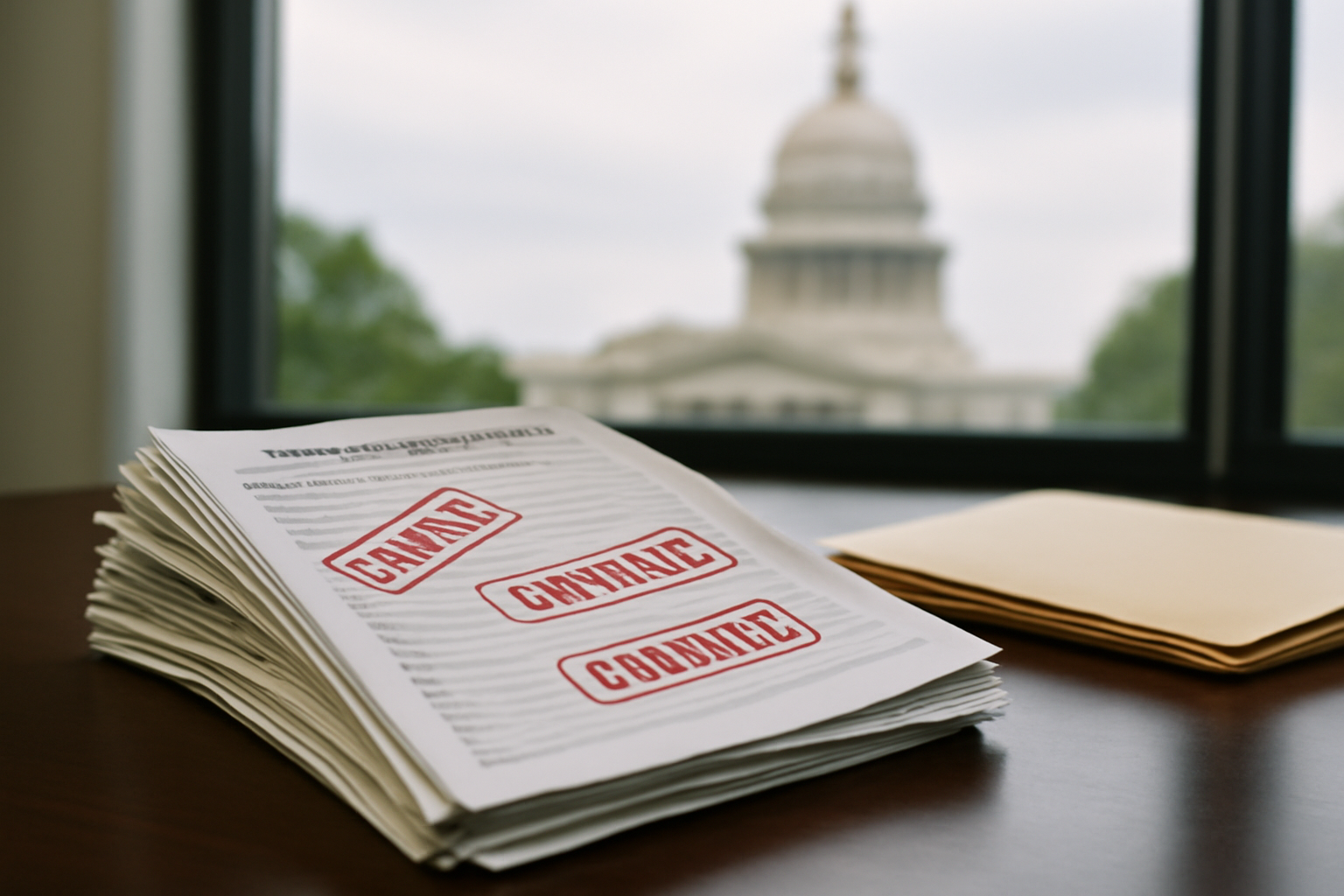
Opinion. A column published by Rhode Island Current makes a simple wager: the surest way to get an elected official interested in fixing the state's public records law is to have that official's own request denied. The piece uses that dynamic to argue for a stronger Access to Public Records Act, and the argument deserves to be taken at face value rather than dismissed as cynicism.
What does the column actually claim?
The premise, as laid out by Rhode Island Current, is that lawmakers and agency heads who otherwise show little urgency about records law reform tend to discover urgency once they are the ones turned away by a records custodian. The column frames this not as hypocrisy so much as a predictable feature of how institutions learn: abstract complaints from journalists and advocates rarely move a legislative calendar, but a personal denial does.
Why would a denial change an official's mind faster than an advocacy campaign?
The logic tracks with how most bureaucracies absorb friction. A denied request that lands on a constituent's desk is easy to file away. A denied request that lands on an official's own desk becomes a process problem that official now has standing, and incentive, to fix. Rhode Island Current's framing treats this as the real lever behind records reform: not persuasion, but exposure.
What would a stronger access-to-public-records law need to address?
The column presses for a tougher APRA in Rhode Island without spelling out a specific bill number or legislative sponsor in the material reviewed for this piece, and that gap is worth naming plainly rather than papering over. Any honest accounting of records law reform has to include what the proposal actually changes — response deadlines, fee structures, exemptions, or enforcement penalties — and readers deserve those specifics before judging whether the fix matches the diagnosis.
How does this pattern show up outside records requests?
The same self-interest dynamic appears in adjacent transparency fights. A related piece from this desk on conflict-of-interest disclosures makes a parallel point: disclosure rules tend to tighten only after someone with power gets caught by a gap in the existing rule, not because the rule was well designed from the start. Records law and disclosure law share a structural flaw — both rely on the people who write the rules to also feel their weight.
What should Rhode Island readers watch for next?
The test of Rhode Island Current's argument will be whether any lawmaker who has personally hit a records wall actually files or co-sponsors legislation, and whether that bill survives committee. A column can identify the incentive; only a roll call vote confirms it. Readers tracking this story should look for the moment an official's private frustration becomes a public bill, since that is the exact hinge the column says determines whether reform happens at all.
Questions
What is the Rhode Island Current column's main argument?
It argues that officials tend to support stronger public records laws only after their own requests for records are denied, using that pattern to press for a tougher Access to Public Records Act.
Does the column name a specific reform bill?
The source material reviewed does not specify a bill number or sponsor, only the general call for a stronger access-to-public-records law in Rhode Island.