news
Alabama Police Agencies Approve 430 License Plate Reader Sensors
Opinion — Revealing Story Investigations Desk
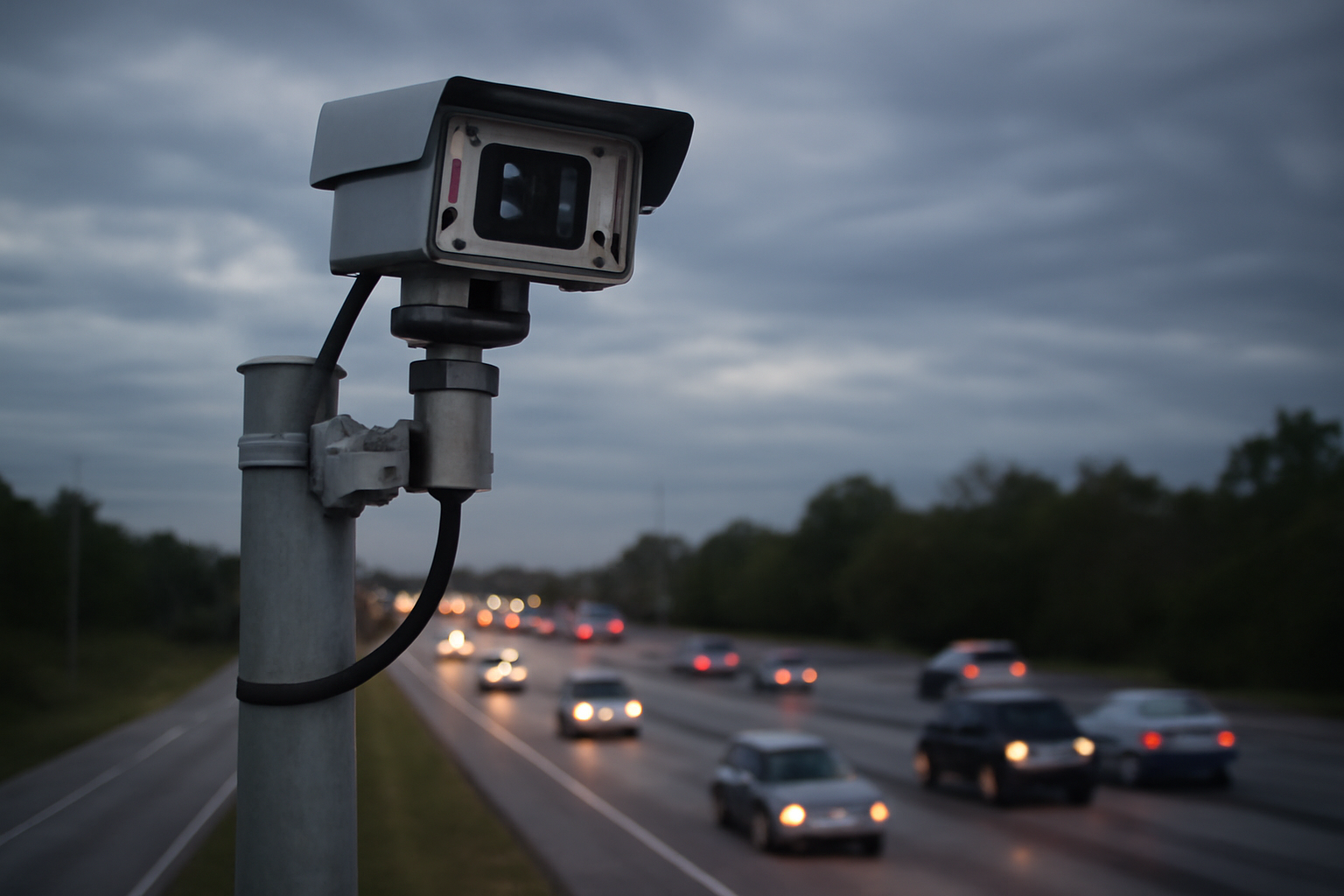
Roughly 430 license plate reader sensors have been approved for police use across central Alabama, according to public records obtained by WBMA under the state's open-records statute. The station's report is the first public tally of how far automated plate-tracking equipment has spread through the region's law-enforcement agencies, and it is built on approval filings, not a press release.
That matters because the record trail runs out roughly where the interesting questions start. WBMA's reporting establishes how many sensors exist. It does not establish, in the material the station has published, who watches the data those sensors generate once a plate has been logged.
What the Approval Records Actually Show
A license plate reader is a fixed or vehicle-mounted camera that photographs passing traffic and logs each plate, along with time and GPS location, to a searchable database. That baseline function is standard across the industry; what varies by department is retention length and who else can query the system. WBMA's records show approval for about 430 such sensors across central Alabama — a regional figure, not a single department's total. The report does not break the count down agency by agency or name the vendor supplying the equipment, so the 430 figure should be read as a floor for the region's footprint, not a complete jurisdictional map.
How a Records Request Produced a Regional Count
Before this report, no single public accounting of central Alabama's plate-reader footprint appears to have existed. Individual agencies approve LPR purchases and deployments through their own procurement and budget processes, which typically surface only in scattered local filings. WBMA's contribution was aggregation: filing a records request broad enough to pull approval data across multiple departments and adding the totals into one number. That is the paper trail this piece follows — not a leak, not an anonymous tip, but a document request answered and a count that did not exist in public form until a reporter assembled it.
Who Can See the Data These Cameras Collect
The station's report frames access — not sensor count — as the open question. Plate-reader systems commonly feed into shared databases that multiple agencies, and in some cases private vendors or federal partners, can query. WBMA's account raises that question for central Alabama without answering it in the material published so far: the records establish that the sensors were approved, not which entities, beyond the approving department, have standing to search the data those sensors produce.
Why This Kind of Paper Trail Matters
The gap between what a government approves and what it discloses about use is not unique to license plate readers. A News/Media Alliance filing backing the Times in its Pentagon press-credentialing suit turns on a similar distinction: agencies asserting authority over access to information without a public brief spelling out the rules governing that authority. In both cases, the documented fact — an approval, a credentialing policy — is easier to obtain than the operating rules behind it. Readers who want to know whether a given surveillance program is accountable should ask for the rules, not just the totals.
What Records Requesters Should Ask Next
The next records request in central Alabama should seek what this one did not: a per-agency sensor count, the vendor contracts governing data storage and retention, and any data-sharing agreements with outside agencies or private companies. Public bodies that operate surveillance systems typically maintain some form of disclosure or conflict-of-interest documentation tied to vendor contracts; a primer on handling those disclosures outlines the kind of filings a requester should expect to exist and can ask to see.
What the Records Don't Yet Answer
WBMA's 430-sensor figure is documented. What remains undocumented, at least in the reporting available, is retention policy, cross-agency access, and whether any audit function exists to review who queries the system and why. Until an agency or a subsequent records request answers those questions on paper, the honest description of central Alabama's plate-reader network is: approved, counted, and largely unaudited in public.
Questions
How many license plate readers have been approved in central Alabama?
Public records obtained by WBMA show roughly 430 police-operated license plate reader sensors approved for deployment across the region.
Does the report say who can access the plate data?
No. WBMA's records establish approval totals but do not specify which agencies, vendors, or databases have access to the collected data.